A good London unit rarely sits empty for long. You find the site, agree the rent, and the landlord wants you trading by the start of the next quarter. Then somebody mentions the pavement licence, and the opening date slides by six weeks. That is the awkward truth about opening a shop here: the permissions come from four or five different desks — the council's planning team, its licensing team, environmental health, the Environment Agency, occasionally a national regulator — and none of them know what the others are doing. This checklist covers the twelve that trip people up most often.
Planning, signage and building work
1. Planning permission
Since September 2020, most shops, cafés, restaurants, offices and gyms have sat in the same use class, Class E. Moving between uses inside that class often needs no planning permission at all. The exceptions are what matter: a restrictive condition left over from a previous permission, an Article 4 direction that removes your permitted development rights, a listed building, a conservation area, or a use that falls outside Class E entirely. A hot food takeaway is the classic example.
Before you sign a lease, ask the council's planning department, in writing, what the lawful use of the premises is. A landlord's reassurance is not the same as a confirmed answer.
2. Advertisement consent
Not every shop sign needs permission. The advertisement regulations grant "deemed consent" to a fair amount of ordinary shopfront signage, provided it meets rules on size, position and how far it projects. Illuminated signs, projecting signs and almost anything in a conservation area will usually need express consent. If you are replacing a fascia, check first — a refusal is much cheaper to absorb before the sign is made.
3. Building regulations approval
Separate from planning, and easily forgotten. New shopfronts, structural alterations, electrical work, ventilation and anything affecting means of escape all fall under building regulations. You can use the council's building control team or an approved inspector. Get the completion certificate before you open, not after.
Food, drink and the front of the shop
4. Food business registration
Free, and required. Register with your council at least 28 days before you start trading, even if you only sell packaged snacks and make coffee. If you handle products of animal origin — a butcher, a fishmonger, a deli preparing certain foods — you may need approval rather than registration, which takes longer. Start that one early.
5. Premises licence
You need one to sell alcohol, and also for late-night refreshment: hot food or drink served between 11pm and 5am. Applications go to the council's licensing team, and you must advertise with a blue notice at the premises and in a local newspaper within the set window. Expect the police, environmental health or neighbours to comment. Most applications pass without a hearing; some do not, and a well-worded operating schedule is your best defence.
6. Personal licence
To be the designated premises supervisor for alcohol sales, you need a personal licence — an accredited qualification plus a basic criminal record check. Hiring someone who already holds one is a legitimate route, but the responsibility for the premises stays with you.
7. Pavement licence
For tables, chairs or anything else on the highway outside your door. The regime was introduced on a temporary footing in 2020 and has since been made permanent, and councils run it themselves. It is quicker and cheaper than a planning application, but it is not automatic, and neighbouring businesses can object.
Selling beyond your front door
8. Street trading licence
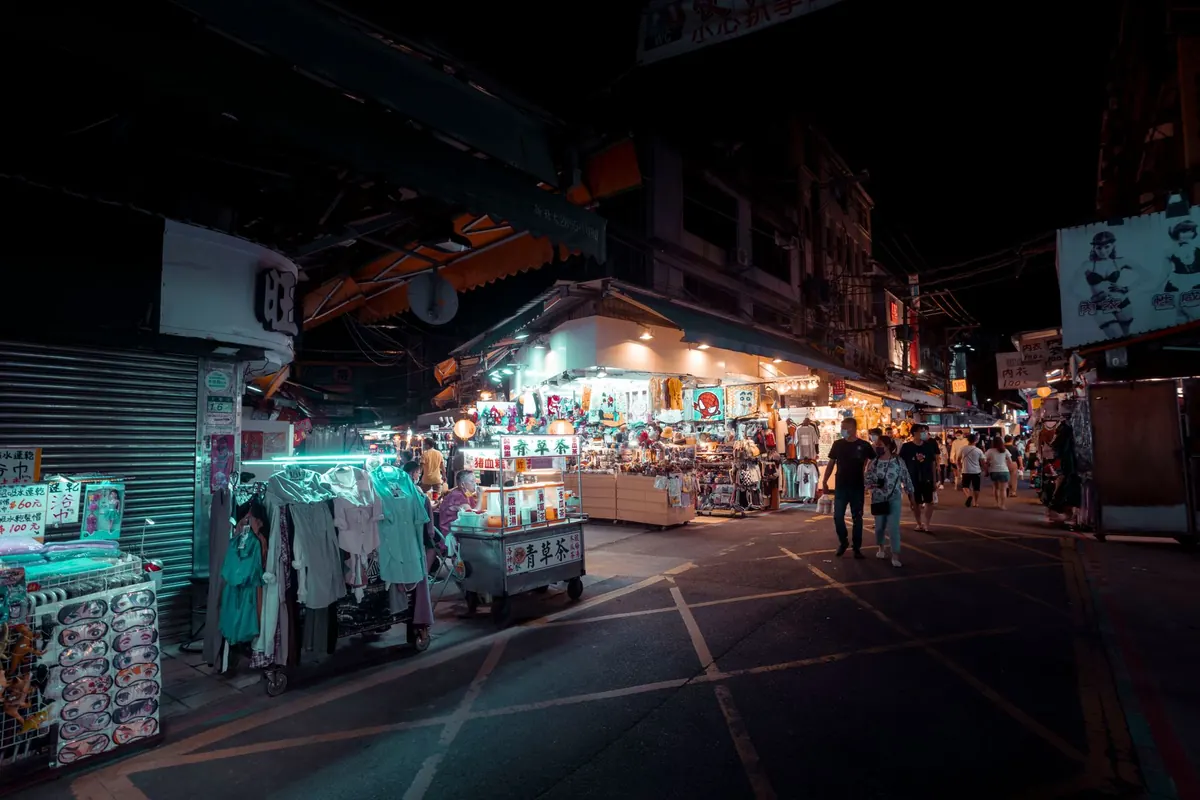
If you sell from a stall, a van or a pitch on the street rather than from inside the shop, you need a street trading licence from the borough. London's street trading rules divide roads into categories — some prohibit trading, some require a licence, some require consent — so the rules on one road are not the rules on the next. One warning: a fruit rack, a clothing rail or a large A-board can edge into street trading territory. Ask before you assume it is simply shopfront display.
Music and screens
9. TheMusicLicence
Play the radio, a playlist, a CD or live music where customers can hear it, and you need this licence. It covers both recorded music and public performance, and it is issued jointly by PPL and PRS. A shop playing music quietly still counts as playing music in public.
10. TV licence
Show live television or use BBC iPlayer on any screen customers can see — including one above the till — and the premises needs its own TV licence.
Specialist licences
11. Animal activity licence
Selling pets, grooming dogs or boarding animals brings you under the animal activity licensing regulations. The licence comes from your council and comes with inspections attached.
12. Gambling, sex establishment and pharmacy
Gambling premises — betting shops, adult gaming centres — need a Gambling Commission operating licence plus a premises licence from the council. Sex shops and sexual entertainment venues need a sex establishment licence. A pharmacy needs registration with the General Pharmaceutical Council, and a separate process for getting onto the local pharmaceutical list that is far more competitive than most newcomers expect.
Not licences, but still non-negotiable
- Employers' liability insurance. Compulsory as soon as you employ anyone, with only narrow exemptions. The legal minimum cover is £5 million.
- Trade waste duty of care. You must use a licensed waste carrier and keep waste transfer notes. Store them properly for at least two years.
- Waste carrier registration. If you ever move your own commercial waste, register as a lower-tier waste carrier with the Environment Agency. It is free.
- Fire risk assessment. Required under the Regulatory Reform (Fire Safety) Order 2005. If you have five or more employees, it must be written down.
- Right to work checks. Complete these for every member of staff before their first day, and keep the records.
- Allergen information. If you sell food prepacked for direct sale, it needs a full ingredient list with the fourteen allergens emphasised.
Build the timeline backwards from opening day
Take your target opening date and work backwards, allowing generous margins. Planning and building regulations first, because everything else waits on them. Food registration and any premises licence application next, since both have statutory notice periods you cannot shorten. Music, TV and pavement licences are quick by comparison — a few weeks at most — but they still need to be in the diary.
Two habits save real money. First, get every answer from a council in writing, even if it is just an email confirming a phone call. Second, keep a single folder with every application, reference number, notice and certificate in it; you will be asked for it more than once, often by someone standing in your shop.
Licensing sits in a strange corner between paperwork and law, and rules vary between boroughs. Where money, premises or alcohol are involved, a short paid consultation with a licensing solicitor or an experienced licensing agent is usually cheaper than a delayed opening or a refused application.
Photo: Lina Kivaka / Pexels